What Keeps a Product Alive
Plenty of well-designed products shut down. Picture a meditation app with lovely illustrations, smooth onboarding and a 4.8 rating in the app store. Its team runs out of money in year two, because almost nobody pays and the few who try it rarely come back after week one.
Learn on the move: press play and turn your commute, walk or drive into time that grows your design career.

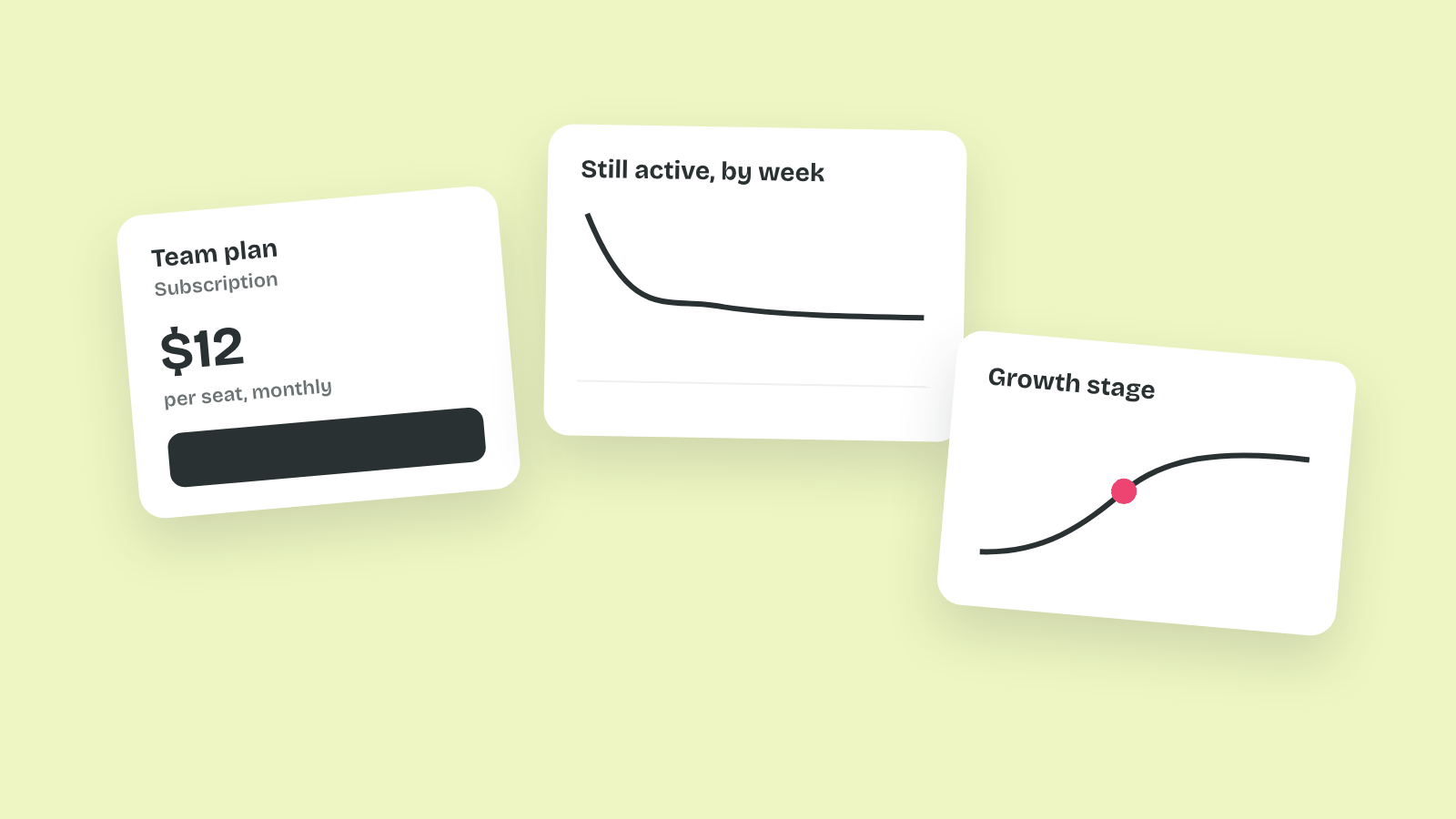
Good design kept that app pleasant, and something else would have kept it alive. A product needs a way to bring in money, proof that people need it and a team that knows which stage of life the product is in.
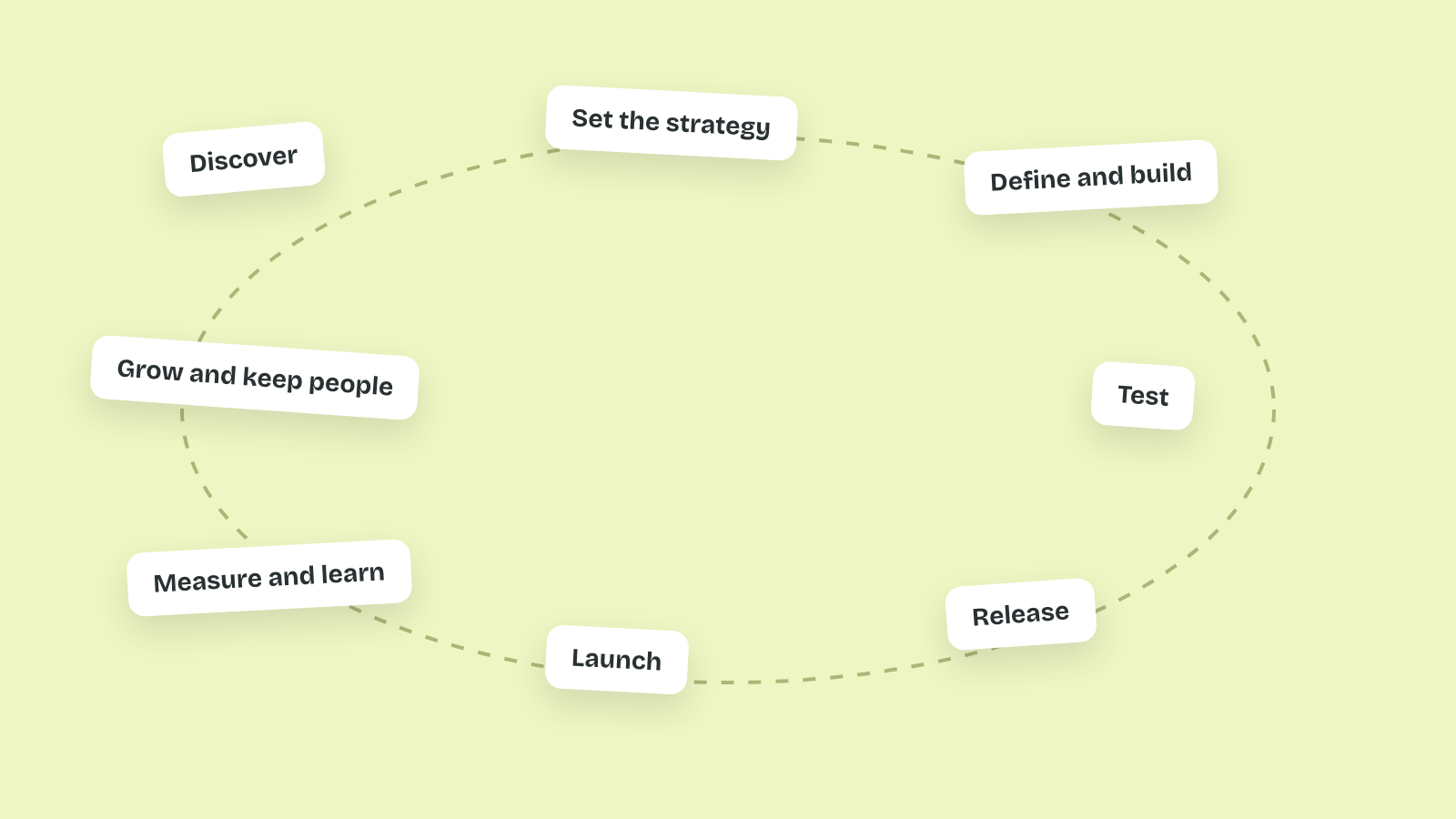
So a product thinker also reads a product as a business: the model behind the money, the signs of product-market fit and the lifecycle every product moves through.
Why Designers Need the Business View
Design decisions move the numbers a business lives on. A subscription product lives on people staying, so a confusing cancellation flow and a useful weekly summary both touch its revenue. A designer who knows the model can tell which screens carry the most weight.
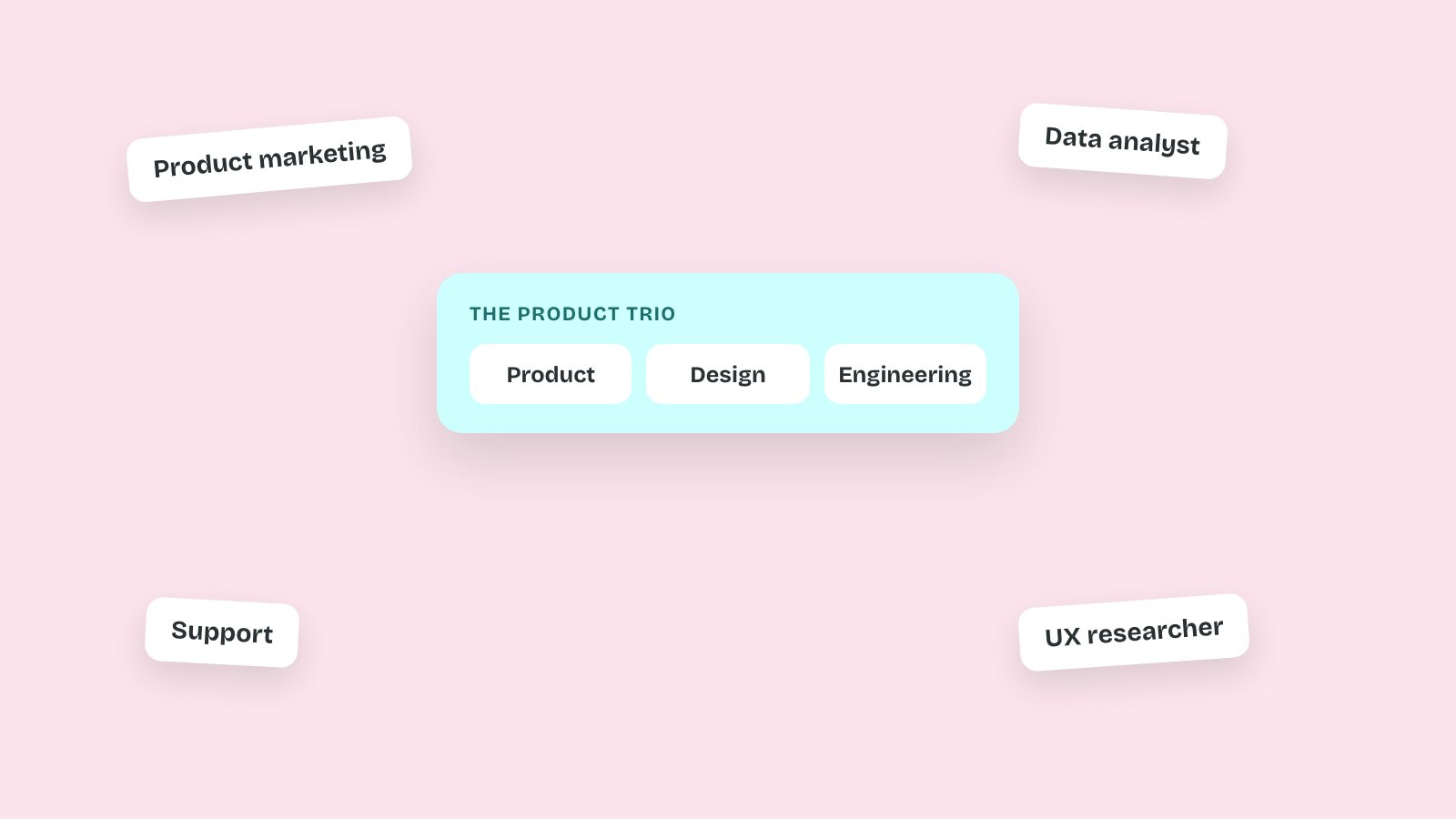
That view also changes conversations with product managers. A designer who can name the model, the fit signal and the stage argues in the terms the business already uses.
Business Models
Look at Spotify and Google Search from a designer's chair and both seem free to use. Then follow the money. Spotify earns most of its revenue from people paying a monthly fee, while Google earns it from advertisers who never use the search box the way you do.
A business model describes where a product's money comes from and who pays it. The model decides which moments in the product carry the revenue, and those are the moments design affects most.
The Common Models
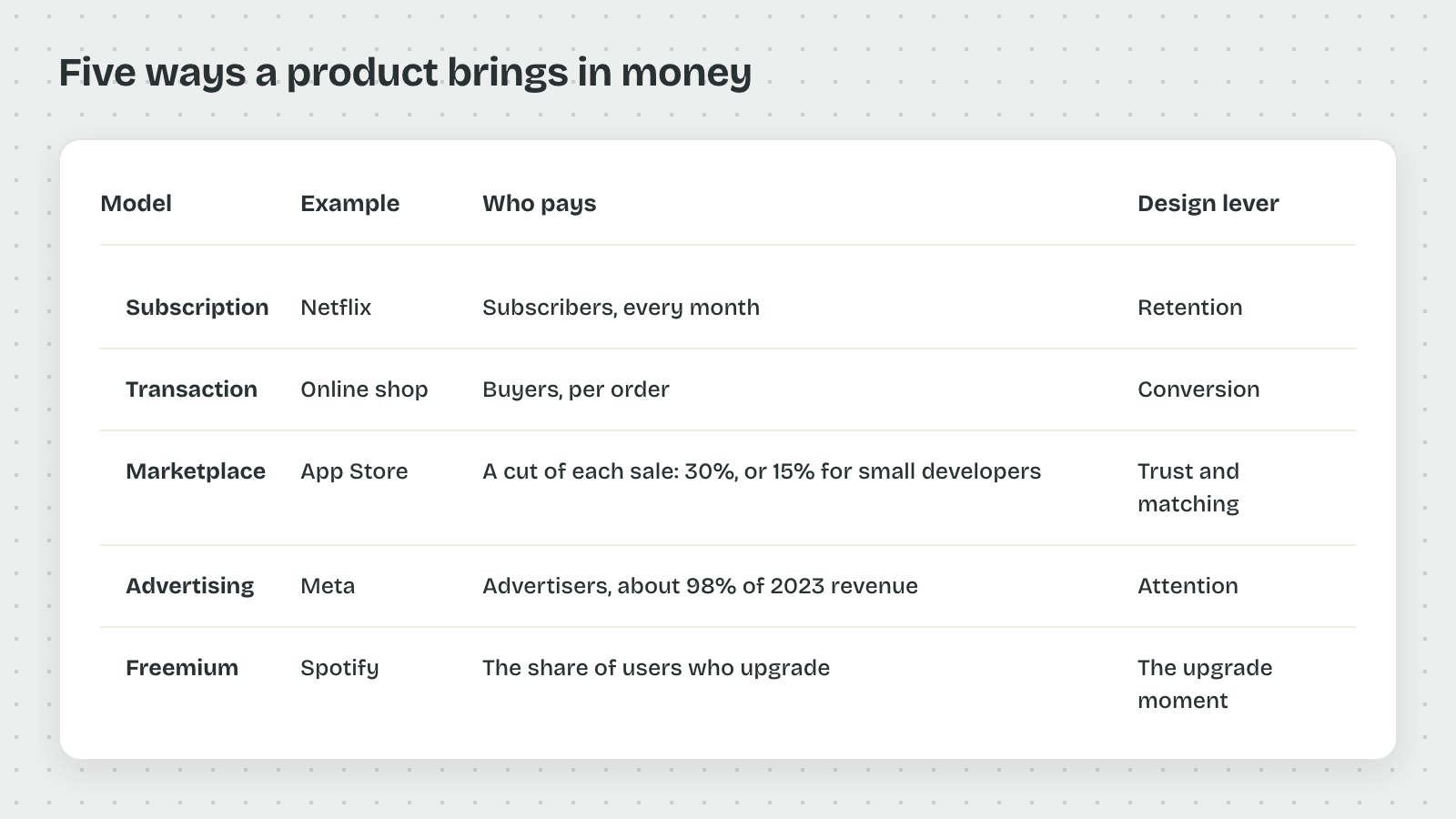
A subscription charges a recurring fee, as Netflix and Notion do. A transaction charges per purchase, like an online shop. A marketplace takes a cut of each deal between two sides: Apple's App Store keeps 30% of most app sales and 15% for small developers since 2021.
Two more models run on attention and upgrades. An advertising model gives the product away and sells people's attention; Meta's 2023 annual report shows ads bringing in about 98% of its revenue. A freemium model gives a free tier to everyone and charges the share of users who need more.
Who Pays
So the payer and the user are often different people. In an ad model advertisers pay, while users pay with their time. In a two-sided marketplace one side may use it free to attract the other, as many job boards do with job seekers.
That split matters for design priorities. When users don't pay, the product still has to serve them well, because the paying side only comes for them. A job board that frustrates candidates soon has nothing to sell to employers.
The Lever Each Model Gives Design
Each model has one lever design moves most. Subscriptions live on retention, so the weeks after signup matter more than the signup. Transactions live on conversion, so the path from product page to payment matters most.
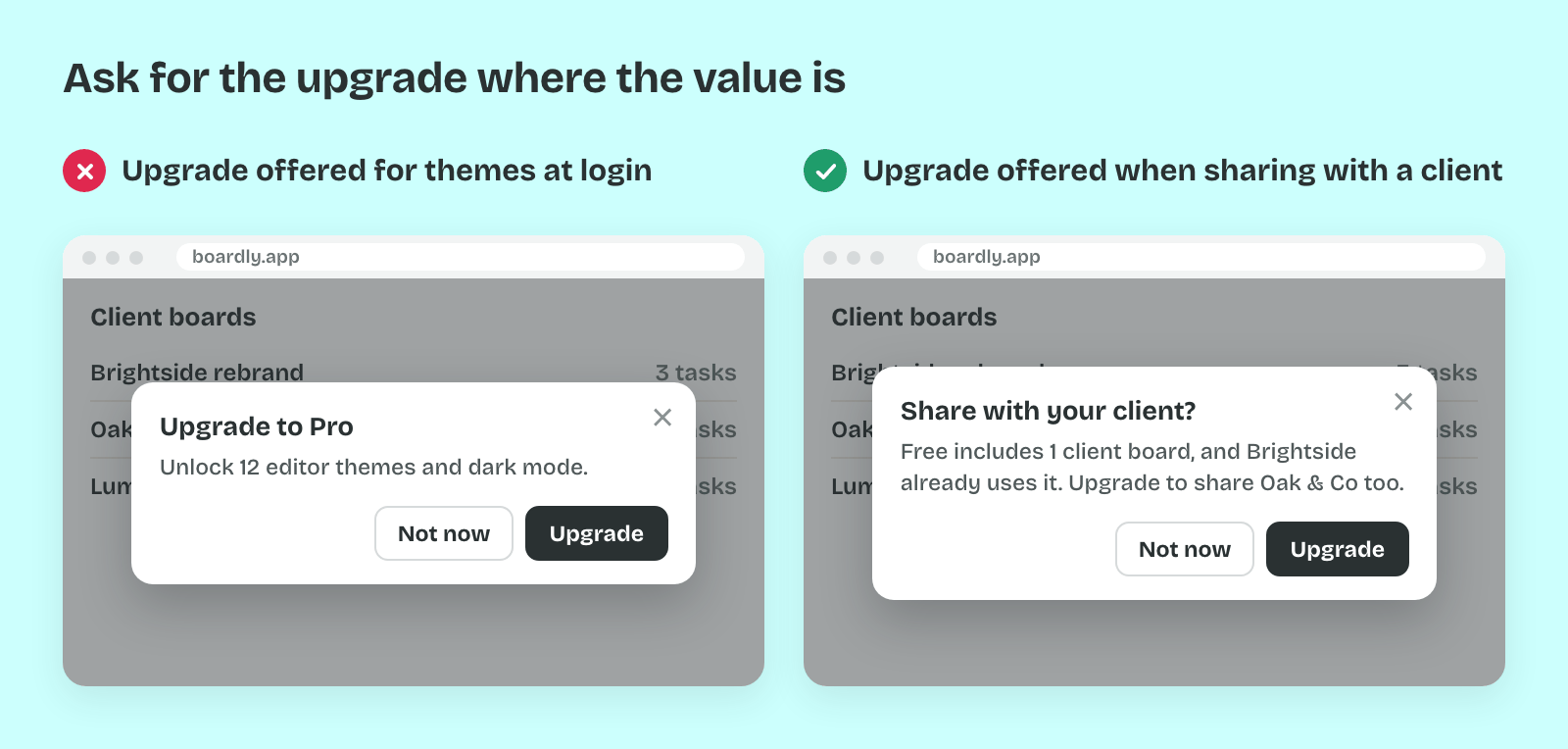
The other models have their own levers. Marketplaces live on trust and matching between the sides, such as reviews and fast responses. Ad models live on attention, which tempts teams toward endless feeds. Freemium lives on the upgrade moment, when a free user hits a limit worth paying to remove.
The Common Mistake
Teams often design against their own model. A subscription product spends a quarter on a slicker signup while people cancel in month two without a word. A freemium product gives away so much that nobody ever meets a limit worth paying for.
That's why the model belongs in every design brief. Name the model, name who pays and name the lever, then check that the work moves it. The prices and plans themselves belong to Pricing & Packaging, and the formulas for customer value belong to Metrics.
Pro tip: Find the one screen where money changes hands or a renewal is decided, and list every design change in the last six months that touched it. In many products that list is empty, while the settings page has had three redesigns.