
Swiss Army Knife Designer Archetype
The Swiss Army Knife designer archetype: the versatile, action-oriented maker who jumps between UX, UI, and prototyping to keep ideas moving and learning fast.
Generalist · moves fast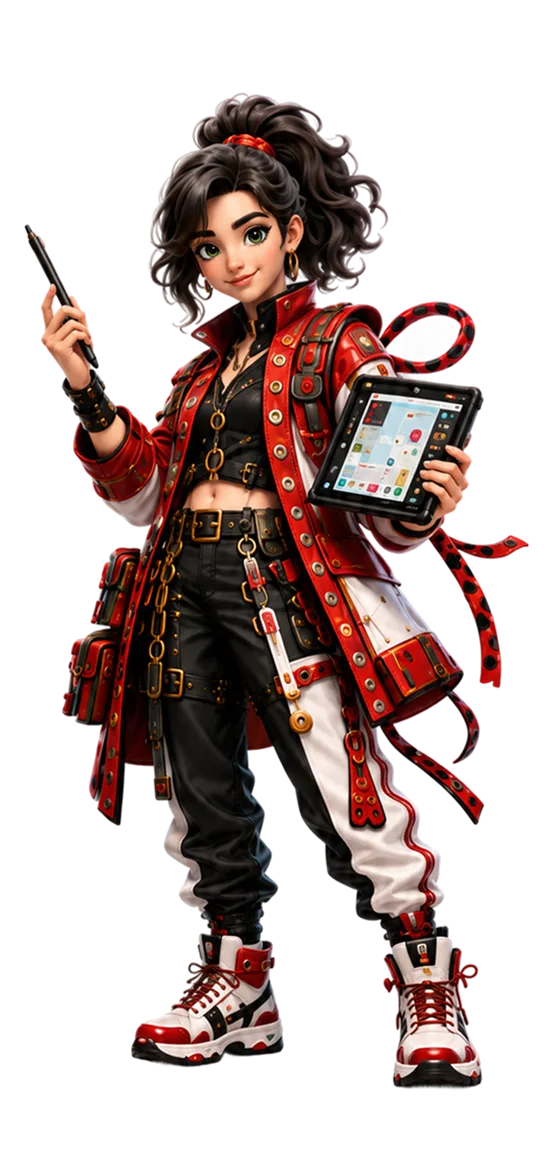
Who Is the Swiss Army Knife?
"The jack of all trades is a master of none, but oftentimes better than a master of one."
The Swiss Army Knife designer is defined by their adaptability and hunger to learn. They're the person who volunteers for the messy, undefined tasks that no one else wants to touch.
Unlike specialists who go deep in one area, Swiss Army Knives prefer breadth. They want to understand the whole system-how UX research informs wireframes, how wireframes become interfaces, how prototypes help validate ideas, and how everything ties together.
They're driven by curiosity and momentum. If a project is stuck, they'll figure out what needs to happen and do it, even if it means learning something new on the fly.
In meetings, they are often the glue that holds things together. When someone says "we need research," they'll run interviews. When the prototype is missing, they'll build it. When the team is blocked on a decision, they'll create options to react to.
The Swiss Army Knife is one of nine designer archetypes in the DesignPath design glossary, with a Generalist skill shape. Read the Swiss Army Knife designer archetype definition, or compare it with the designer personality type idea.
Core Strengths
Extreme Adaptability
Need user research? They'll run interviews. Missing a prototype? They'll build it. Team needs visual design? They'll handle it. This flexibility makes them invaluable in dynamic, fast-paced environments.
Fast Learning
They're comfortable being uncomfortable. While others hesitate at unfamiliar tasks, Swiss Army Knives dive in, learn quickly, and get it done. This growth mindset compounds over time.
Project Momentum
They have an instinct for unblocking progress. When a project stalls, they identify what's needed and make it happen, even if it's outside their primary skillset.
Cross-Functional Understanding
Because they touch so many parts of the design process, they understand how everything connects. They speak the language of researchers, developers, and product managers.
🚀 Common Weaknesses and Growth Tips
Even the strongest qualities have a shadow. The same strengths can become a source of weakness in certain teams, products, or cultures.
Difficulty Saying No
Because they can do so many things, people keep asking for help. This can lead to overcommitment, burnout, and shallow work across too many areas.
Lack of Deep Expertise
Constantly jumping between different skills means you might never develop the deep expertise that commands higher salaries and senior roles.
Being Taken for Granted
When you're always available and willing to help, people stop appreciating the value you bring. Your contributions can become invisible or expected.
In the Job Market
Avoid Roles Where
- Job descriptions are extremely narrow (e.g., "UI Designer - Components Only")
- Teams have rigid workflows where each person only touches their domain
- Initiative and cross-functional work are discouraged ("stay in your lane")
Fit Checklist
- Does the role explicitly value "wearing multiple hats"?
- Is there a clear path from generalist to senior/leadership roles?
- Do they support learning and skill development across disciplines?
- Is cross-functional collaboration encouraged and rewarded?
- Is the team small/fast-moving enough that versatility is genuinely needed?
Best Archetype Pairings
The best teams cover each other's gaps. These pairings show how the Swiss Army Knife works with others.
Vision Crafter
Vision Crafters think big and far ahead. Swiss Army Knives help make that thinking concrete fast.
Aesthetic Engineer
Swiss Army Knives move fast and get things functional. Aesthetic Engineers make those things beautiful, polished, and trustworthy.
Research Whisperer
Swiss Army Knives are action-oriented and quick to prototype. Research Whisperers ensure that action is grounded in real user needs, not assumptions.
Other Designer Archetypes
Not sure which one you are? Take the free designer archetype test, or compare all types of UX designers in the glossary.
Are You the Swiss Army Knife?
Take the 2-minute quiz and find your archetype. It's free.
Take the designer archetype test