Flow Architect Designer Archetype
The Flow Architect designer archetype: the experience designer who structures journeys, navigation, and information so products feel intuitive and easy to move through.
T-shaped · structures flow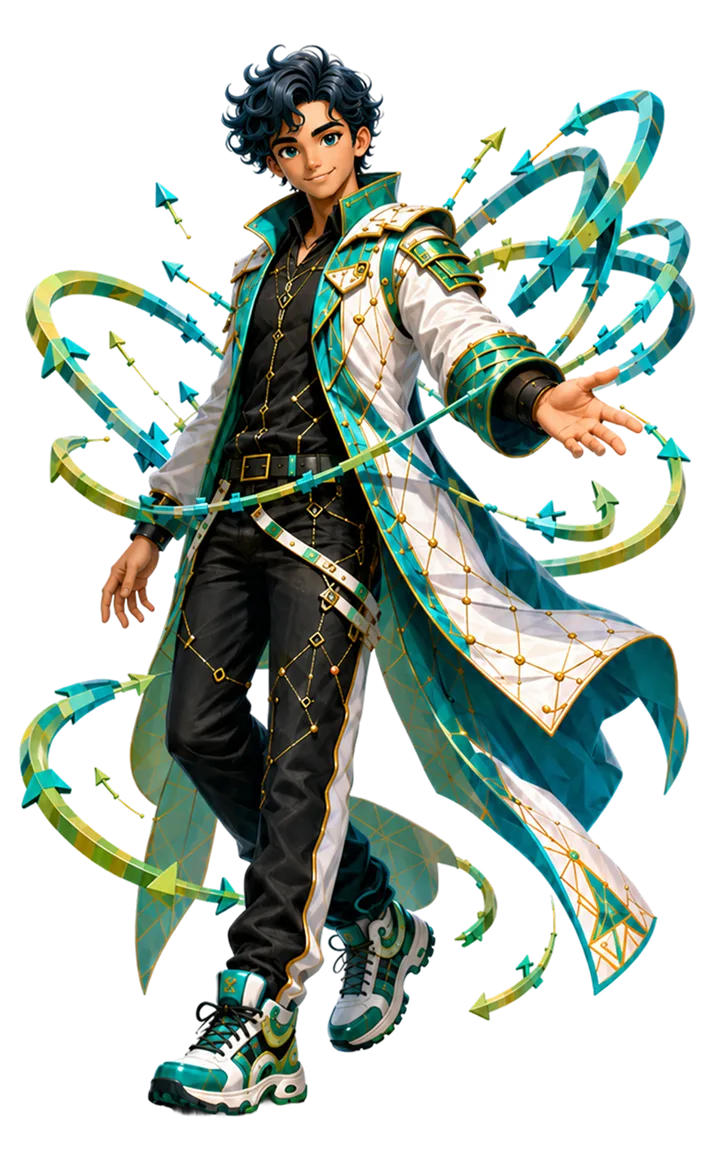
Who Is the Flow Architect?
"Meet the Flow Architect."
They're driven by creating clarity and reducing cognitive load. A well-designed flow feels invisible-users accomplish their goals without thinking about the interface at all.
The Flow Architect is one of nine designer archetypes in the DesignPath design glossary, with a T-shaped skill shape. Read the Flow Architect designer archetype definition, or compare it with the designer personality type idea.
Core Strengths
Information Architecture Mastery
Flow Architects excel at organizing complex information into clear, logical structures. They create navigation systems that feel intuitive even for first-time users.
User Journey Optimization
They identify and eliminate friction points in user flows. Whether it's reducing steps in a checkout process or streamlining onboarding, they make experiences feel effortless.
Mental Model Alignment
They understand how users think about tasks and structure experiences to match those mental models. This makes products feel natural and easy to learn.
🚀 Common Weaknesses and Growth Tips
Even the strongest qualities have a shadow. The same strengths can become a source of weakness in certain teams, products, or cultures.
Over-Complexity
Sometimes the pursuit of perfect flow creates overly complex navigation or too many steps trying to be helpful. Every edge case gets a dedicated path, resulting in bloated experiences.
Analysis Paralysis
Trying to map every possible user journey before shipping anything can stall progress. Flow Architects can get stuck in endless iterations of user flows and sitemaps.
Missing the Forest for the Trees
So focused on optimizing individual flows that you lose sight of business goals or user emotions. The journey might be efficient but meaningless or unmemorable.
In the Job Market
Avoid Roles Where
- Design is limited to visual execution without input on structure
- Teams skip directly to high-fidelity mockups without planning flows
- Information architecture is treated as "nice to have" rather than foundational
- Navigation decisions are made by engineering or product without design input
- Every feature is a rush job with no time for thoughtful structure
Fit Checklist
- Can you see examples of well-structured user flows in their current products?
- Does the design process include time for IA and flow planning?
- Do designers have input on navigation and information structure?
- Is user research used to validate flow decisions?
- Does the company measure and care about user journey metrics?
- Are there examples of teams refactoring structure for better UX?
Best Archetype Pairings
The best teams cover each other's gaps. These pairings show how the Flow Architect works with others.
Vision Crafter
Vision Crafters create ambitious product strategies. Flow Architects turn those strategies into navigable, structured experiences.
Research Whisperer
Research Whisperers understand user mental models and behaviors. Flow Architects design structures that align with those models.
Aesthetic Engineer
Flow Architects create the structure. Aesthetic Engineers make that structure beautiful and emotionally resonant.
Other Designer Archetypes
Not sure which one you are? Take the free designer archetype test, or compare all types of UX designers in the glossary.
Are You the Flow Architect?
Take the 2-minute quiz and find your archetype. It's free.
Take the designer archetype test