What Actually Makes a Design Good
You can learn the tools in a month. Figma, components, auto-layout. Then one day you can build almost anything, and you notice something uncomfortable. You still can't tell if what you made is any good.
Ten minutes of good design thinking, read to you while the kettle boils.


That gap is normal. It's also the real work, and it's the part most courses skip. Tools are teachable in an afternoon. Judgment takes a while, and it grows in the background while you practice.
The Tools Are the Easy Part
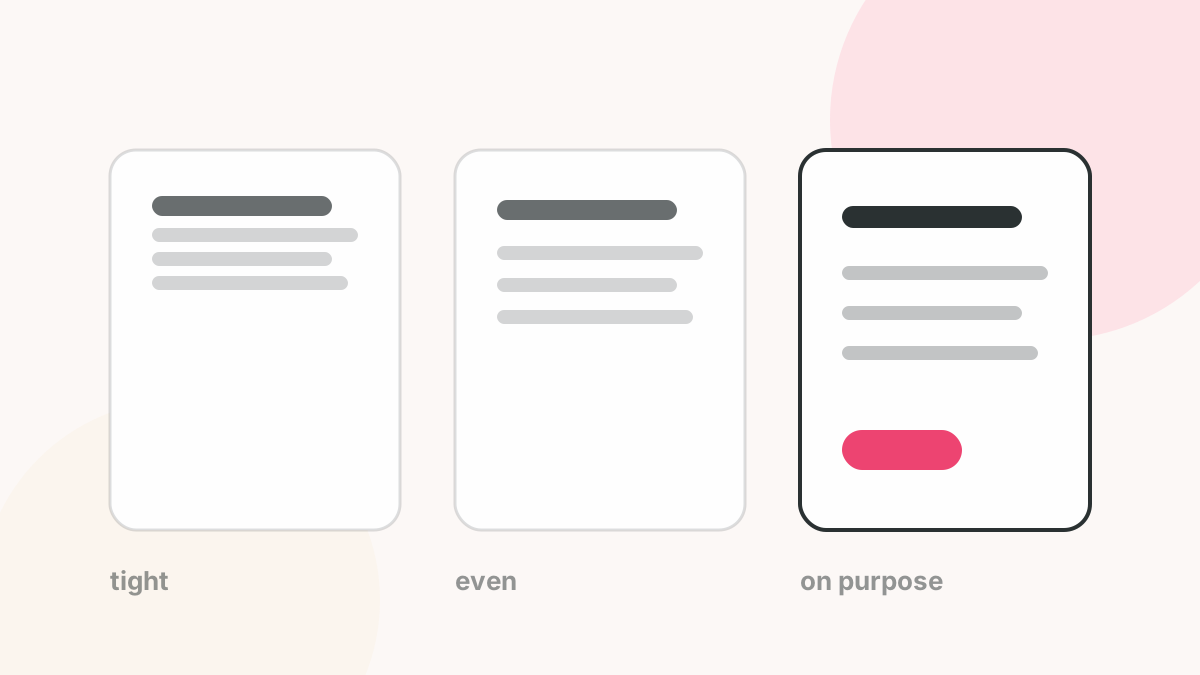
Knowing the shortcut is not the same as knowing the choice. A junior can make a beautiful screen and still be unsure why it works, or copy a pattern that looked nice somewhere else without asking if it fits here. Good design is a hundred small decisions, made on purpose.
Taste Is Mostly Noticing
The fastest way I know to build taste is to look closely and ask why. Open a product you admire and slow down. Why is that spacing calm? Why does your eye land there first? Do that for a few weeks and you start to see the decisions underneath the surface.
Good design just makes someone's day a little easier.
A Few Things That Usually Help
When I'm not sure if something is working, I check the plain things first. Is there a clear hierarchy, so the eye knows where to go? Is the copy honest and short? Is the next action obvious? Does the screen have room to breathe? None of these are clever. Together they carry most of the weight.
You will not get all of this from reading. You get it from making something, looking at it honestly, and making it again. That is the slow, real way, and there is no shortcut worth trusting.