
Running the Client Relationship
The contract is signed and the interesting part is over, as far as most freelancers are concerned. Now it's just doing the work.
Keep clients happy without endless calls: listen to this on your next coffee break.
Listen to the full Running the Client Relationship course on DesignPath
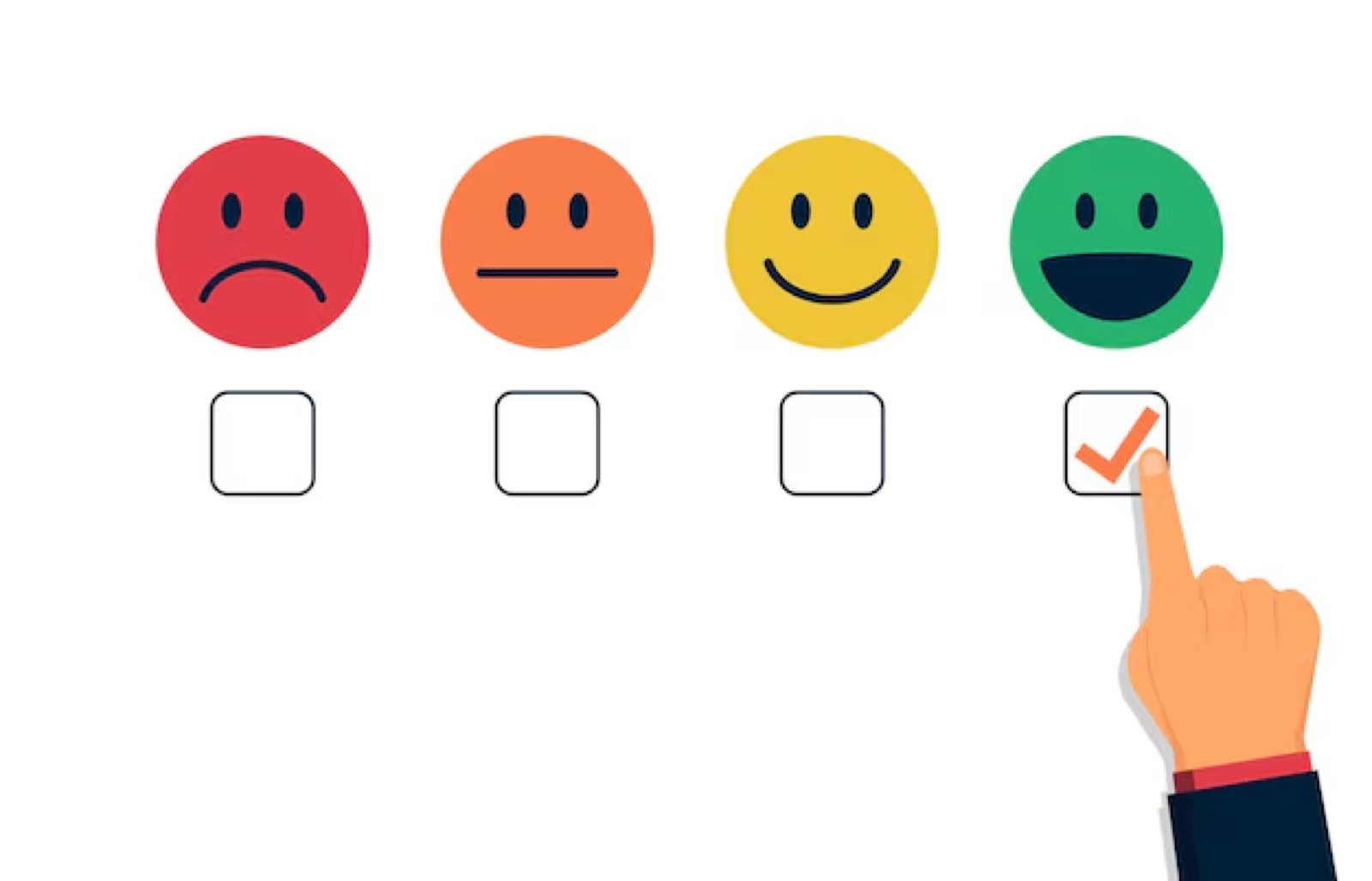
That's where the money is, though. A client who was easy to work with hires you again and tells two other people. A client who spent four months mildly anxious pays the invoice and never writes to you again. Neither outcome had much to do with the quality of the design.
This module covers the engagement itself: the four phases every client project moves through, what each one owes, and the two joins where projects reliably come apart.
Anatomy of an Engagement
Two freelancers deliver almost identical work. One gets rehired and referred to three other people. The other never hears from the client again.
The difference is rarely the design. The first was a pleasure to work with and the second was a low-grade source of stress, and clients are buying an experience alongside the outcome. Most of the loyalty, and all of the referrals, come from that second thing.
An engagement has a shape you can name, which makes it something you can run rather than something that happens to you.
The Four Phases, and What Each One Owes
Every client project moves through the same four stages, and each produces an artifact that the next stage depends on.
- Onboarding: you collect access, assets, background and the names of everybody who touches the work. It owes an access checklist and a completed questionnaire, and it exists so the project doesn't stall in week three waiting on a logo.
- The working rhythm: the recurring update, the review cadence, the decision record. It owes a weekly update and a single source of truth, and it's the phase that lasts longest and gets designed least.
- Delivery: the files, the walkthrough, the instructions for whoever inherits it. It owes a handoff package somebody else can open in six months.
- The close: the wrap-up, the final invoice, the review and the door left open. It owes a wrap-up message and an ask.
Skipping a phase's artifact doesn't cost you in that phase. It costs you in the next one, which is why the damage shows up late and gets blamed on something else.
Where Engagements Actually Come Apart
Two joins break far more often than the phases themselves.
The first is between onboarding and the rhythm. Nobody agreed how communication would work, so the client pings you on five channels at eleven at night, or goes silent for a fortnight and then panics. Both are the same missing decision.
The second is between delivery and the close. The files go over, everybody says thanks, and the project trails off without a wrap-up, a review or a referral request. That's the phase most freelancers skip entirely, and it's the one that produces the next project.
The Three Habits That Run Through All Four
Some things aren't a phase. They run the whole length and decide how the client describes you afterward.
Reliability outperforms brilliance.Clients prefer a designer they don't have to chase over a slightly better one they do. You reply when you said, you hit the dates you named, you do the thing. Every kept small promise builds trust and every dropped one spends it, and a client who never wonders where things stand forgives a great deal.
Responsiveness counts as a feature.You don't have to answer instantly and you do have to answer. A reply inside one working day, even "got it, you'll have this Thursday", tells the client they aren't being ignored. Silence makes clients anxious, and anxious clients micromanage, escalate, and remember the project as stressful regardless of the result.
Everything important goes in writing.A large share of client friction is "I thought you said", and a three-line recap after a call prevents almost all of it. What was decided, what's next, who owns it. It takes two minutes, creates a record, and reads as organized.
The commercial case for all of it is well documented. Frederick Reichheld and W. Earl Sasser argued in the Harvard Business Review in 1990 that small improvements in customer retention produce disproportionate gains in profit. The freelance version is simpler still, since a repeat client costs you nothing to find.
Pro tip: When you can't answer fully yet, acknowledge fast and name a time. "Good question, let me check and come back to you tomorrow" closes the loop and buys you the day, where going quiet while you work it out spends trust you'll want later.