
Marketing Channels
You've got a product, a message, and a launch plan. Now a dozen channels are all shouting for your budget and your hours - social, email, ads, SEO, communities, content, partnerships, events. You can't do them all well, and the teams that try end up doing all of them badly. The whole skill of channels is choosing: finding the one or two paths where your people already are, and going deep instead of wide.
Learn on the move: press play and turn your commute, walk or drive into time that grows your design career.
Listen to the full Marketing Channels course on DesignPath
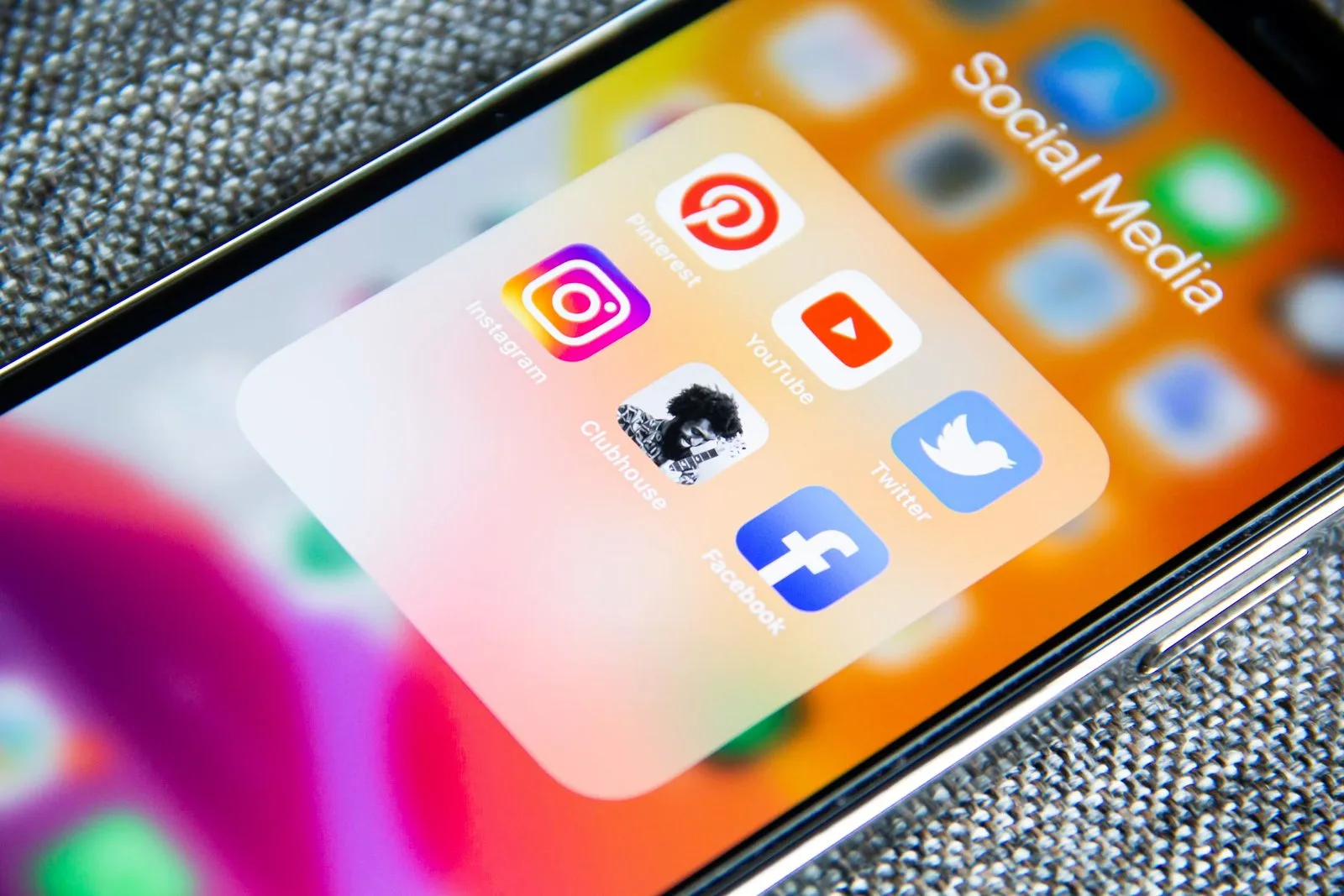
A marketing channel is simply a route to reach your audience. The right one isn't the trendy one or the one a competitor uses - it's the one that lines up three things: where your users already spend attention, the motion you chose, and economics that actually work (what it costs to win a customer versus what they're worth).
For designers, channels are where your natural advantage shows up: much of marketing is visual, and you can make a channel look and feel better than most marketers can. Understanding how channels work turns "I made a nice graphic" into "I know why this graphic goes here."
Choosing Channels
Faced with a wall of possible channels, you need a way to sort them before you can pick. The cleanest sorting is by who controls the audience and what it costs you - the classic owned / earned / paid split.
The Three Kinds
- Owned - channels you fully control: your email list, your website and blog, your in-product messages. Free to use, slow to build, and yours forever. Nobody can change the algorithm on your email list.
- Earned - attention other people give you: word of mouth, press coverage, someone sharing your post, a mention in a community. The most trusted kind (a friend's recommendation beats any ad), and the least controllable - you can encourage it, but you can't buy it directly.
- Paid - attention you rent: ads on search, social, or other sites. Instant and scalable - turn it on and traffic appears - but it stops the moment you stop paying, and it's the least trusted.
Healthy products use all three over time, but they rarely start there.
Fit Beats Fashion
A channel is right when three things line up:
- Audience - your people are genuinely there. A B2B tool on TikTok is usually a mismatch; the same tool on LinkedIn isn't.
- Motion - the channel suits how you sell. Self-serve PLG loves high-volume channels like content and social; a sales-led motion may get more from a single well-run conference than a year of tweets.
- Economics - the math works. If it costs more to win a customer than that customer is worth over their lifetime, the channel is a leak, no matter how much traffic it sends.
Focus, Then Scale
The most common channel mistake isn't picking the wrong one - it's picking all of them, spreading a small team so thin that nothing gets the attention it needs to work. Great early growth almost always comes from one dominant channel, not a balanced portfolio.
So test small and cheap first. Give a channel a real but bounded try - enough budget and time to get a fair read - and watch whether it actually produces customers, not just likes. Find the one that works, pour into it until it plateaus, and only then add the next. One channel done well beats five done weakly.
Pro tip: Before adding a new channel, ask: "Have I truly exhausted the one that's already working?" Teams jump to the next shiny channel out of boredom far more often than because the current one is tapped out.
Where AI Helps
Prompt: "Here's my product, my audience, and my GTM motion: [describe]. Suggest three channels most likely to fit, sorted into owned / earned / paid, and for each give a cheap first test I could run to see if it works."
AI shortlists and designs the tests; you run them and read reality.It's good at proposing sensible channels and small experiments, but no model can tell you a channel works - only your test data can. Treat its shortlist as hypotheses to check, not a plan to trust.