Log in

Soft Skills and Leadership

Shared language is shared direction. This glossary exists so designers, developers, and stakeholders can point the same way

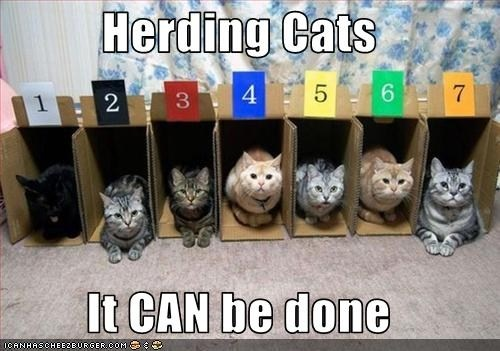
“Leadership is mostly herding cats — very creative cats”
Soft Skills

Soft skills are personal skills that make teamwork smooth. Empathy helps you understand users, patience helps you work with slow clients, and problem-solving helps unblock teammates.

Designers with strong soft skills get hired faster than those who only know tools. Without them, projects stall in endless conflicts or miscommunication.

Communication

Communication is how you explain ideas and listen to others.

Example: presenting a redesign to stakeholders with simple slides, or writing clear Jira tickets for developers. Good communication builds trust and speeds up work.

Bad communication causes misunderstandings, rework, and frustration. Designers practice by simplifying complex ideas into short, clear messages.

Leadership

Leadership is guiding a team toward a goal.

Example: a lead designer runs weekly design critiques, assigns tasks, and protects juniors from scope creep.

Leadership is not about being bossy — it’s about making others succeed. In design, strong leaders balance user needs, business goals, and team health.

Poor leadership creates chaos and weak results.

Negotiation

Negotiation is reaching an agreement that works for both sides.

Example: a designer may negotiate more time for user testing with a manager who wants speed. Or negotiate a fair salary at a job offer.

Skilled negotiators explain benefits clearly: “Two more days testing will reduce future bugs.” Without negotiation, designers get overworked or undervalued.

Stakeholder Management

Stakeholder management is working with people who have power in a project: managers, clients, developers.

Example: in a banking app redesign, the compliance officer is a stakeholder who checks legal rules.

A designer manages stakeholders by sharing updates, listening to concerns, and aligning everyone on goals. Bad management leads to delays, endless revisions, and stress.


Let’s connect

Log in

Soft Skills and Leadership

Shared language is shared direction. This glossary exists so designers, developers, and stakeholders can point the same way

“Leadership is mostly herding cats — very creative cats”

Soft Skills

Soft skills are personal skills that make teamwork smooth. Empathy helps you understand users, patience helps you work with slow clients, and problem-solving helps unblock teammates.

Designers with strong soft skills get hired faster than those who only know tools. Without them, projects stall in endless conflicts or miscommunication.

Communication

Communication is how you explain ideas and listen to others.

Example: presenting a redesign to stakeholders with simple slides, or writing clear Jira tickets for developers. Good communication builds trust and speeds up work.

Bad communication causes misunderstandings, rework, and frustration. Designers practice by simplifying complex ideas into short, clear messages.

Leadership

Leadership is guiding a team toward a goal.

Example: a lead designer runs weekly design critiques, assigns tasks, and protects juniors from scope creep.

Leadership is not about being bossy — it’s about making others succeed. In design, strong leaders balance user needs, business goals, and team health.

Poor leadership creates chaos and weak results.

Negotiation

Negotiation is reaching an agreement that works for both sides.

Example: a designer may negotiate more time for user testing with a manager who wants speed. Or negotiate a fair salary at a job offer.

Skilled negotiators explain benefits clearly: “Two more days testing will reduce future bugs.” Without negotiation, designers get overworked or undervalued.

Stakeholder Management

Stakeholder management is working with people who have power in a project: managers, clients, developers.

Example: in a banking app redesign, the compliance officer is a stakeholder who checks legal rules.

A designer manages stakeholders by sharing updates, listening to concerns, and aligning everyone on goals. Bad management leads to delays, endless revisions, and stress.

Let’s connect

Log in

Soft Skills and Leadership

Shared language is shared direction. This glossary exists so designers, developers, and stakeholders can point the same way

“Leadership is mostly herding cats — very creative cats”

Soft Skills

Soft skills are personal skills that make teamwork smooth. Empathy helps you understand users, patience helps you work with slow clients, and problem-solving helps unblock teammates.

Designers with strong soft skills get hired faster than those who only know tools. Without them, projects stall in endless conflicts or miscommunication.

Communication

Communication is how you explain ideas and listen to others.

Example: presenting a redesign to stakeholders with simple slides, or writing clear Jira tickets for developers. Good communication builds trust and speeds up work.

Bad communication causes misunderstandings, rework, and frustration. Designers practice by simplifying complex ideas into short, clear messages.

Leadership

Leadership is guiding a team toward a goal.

Example: a lead designer runs weekly design critiques, assigns tasks, and protects juniors from scope creep.

Leadership is not about being bossy — it’s about making others succeed. In design, strong leaders balance user needs, business goals, and team health.

Poor leadership creates chaos and weak results.

Negotiation

Negotiation is reaching an agreement that works for both sides.

Example: a designer may negotiate more time for user testing with a manager who wants speed. Or negotiate a fair salary at a job offer.

Skilled negotiators explain benefits clearly: “Two more days testing will reduce future bugs.” Without negotiation, designers get overworked or undervalued.

Stakeholder Management

Stakeholder management is working with people who have power in a project: managers, clients, developers.

Example: in a banking app redesign, the compliance officer is a stakeholder who checks legal rules.

A designer manages stakeholders by sharing updates, listening to concerns, and aligning everyone on goals. Bad management leads to delays, endless revisions, and stress.